Record Breaking Heat Leads to Destructive Straight Line Winds For The Fourth Of July
After several days of record breaking heat, a widespread severe weather outbreak struck central Maryland on Saturday July 4th, 2026. While there were no tornadoes, widespread damage and locally destructive winds occured thanks to intense microbursts.
But it sounded like a train! It must have been a tornado!
I have heard this phrase more times than I can count now, referring to the sound that was created by the extreme winds. While the impact and sound that resulted from these winds certainly gave the illusion of a tornado, there were no tornadoes. All of the damage was caused by intense straight line winds, covered by severe thunderstorm warnings.
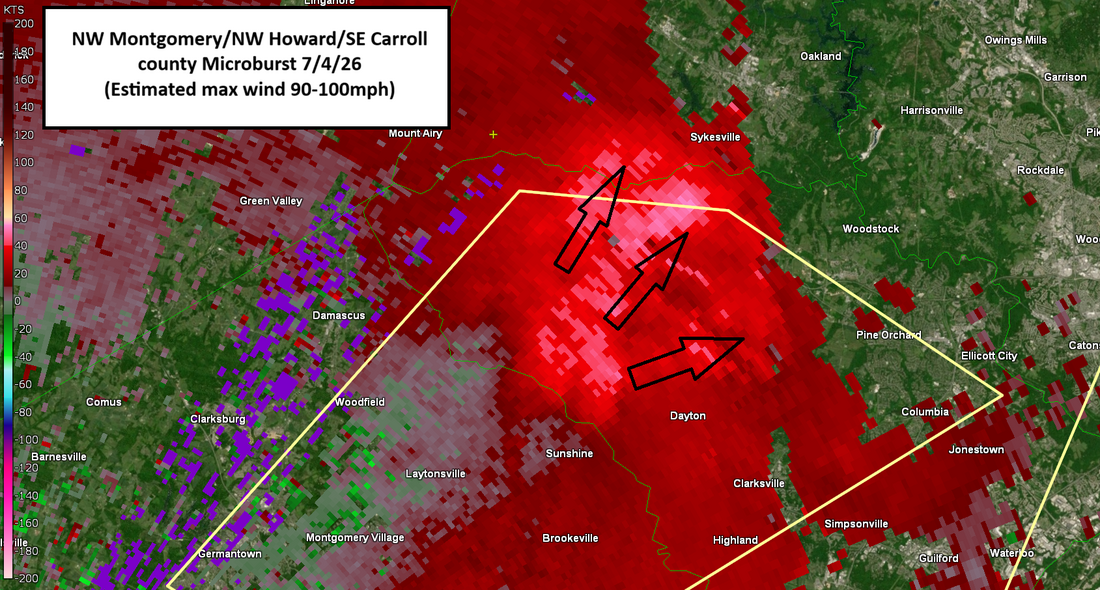
Velocity radar data showing strong outbound winds across western Howard County indicative of a microburst
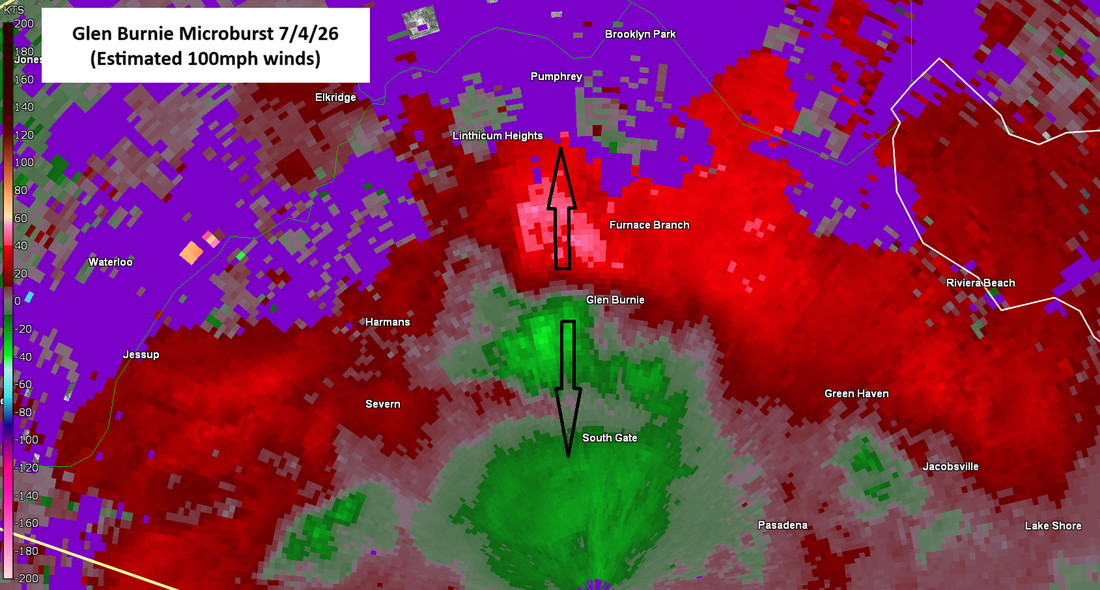
A clear divergent pattern in the velocity out of TBWI showing a microburst over Glen Burnie
Sometimes it can be hard to tell if damage was the result of a tornado or straight line winds just by looking at radar, but it was clear as day on Saturday that all of the damage was the result of intense straight line winds. The overall environment was also a powderkeg for microbursts, with extreme instability and very dry air aloft allowing for the transfer of strong winds aloft down to the surface through evaporation. The environment was not conducive for tornado development.
The two hardest hit areas were Glen Burnie, as well as a stretch from northwestern Montgomery county into western Howard and southeastern Carroll counties. In both instances, radar imagery using velocity (measures wind speed and direction) showed diverging winds, not converging. This is a clear sign of a microburst and not a tornado, which would have had a convergent wind pattern.
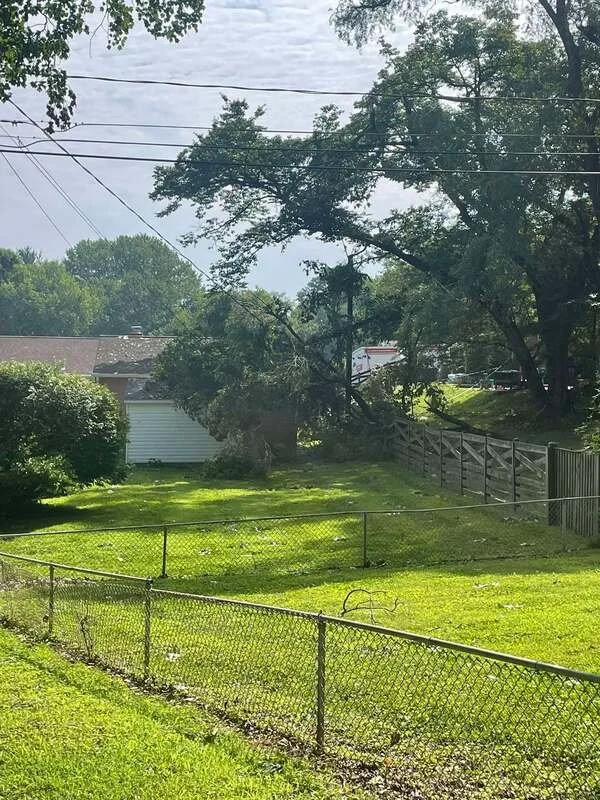
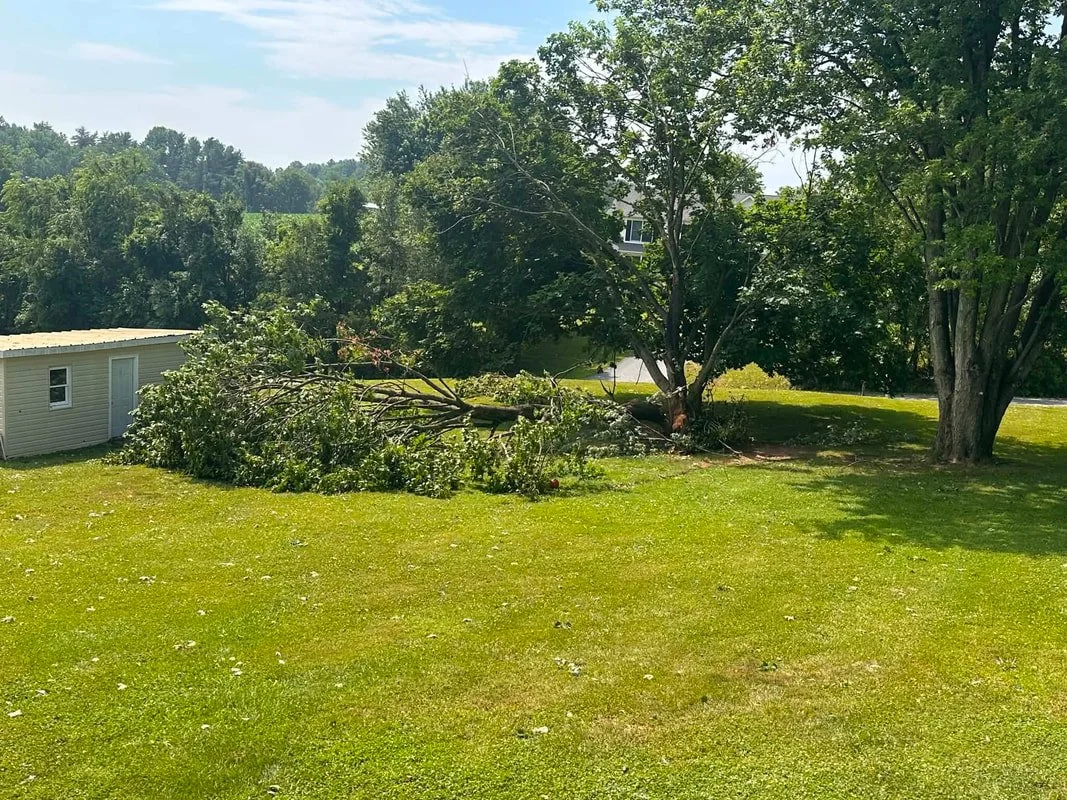
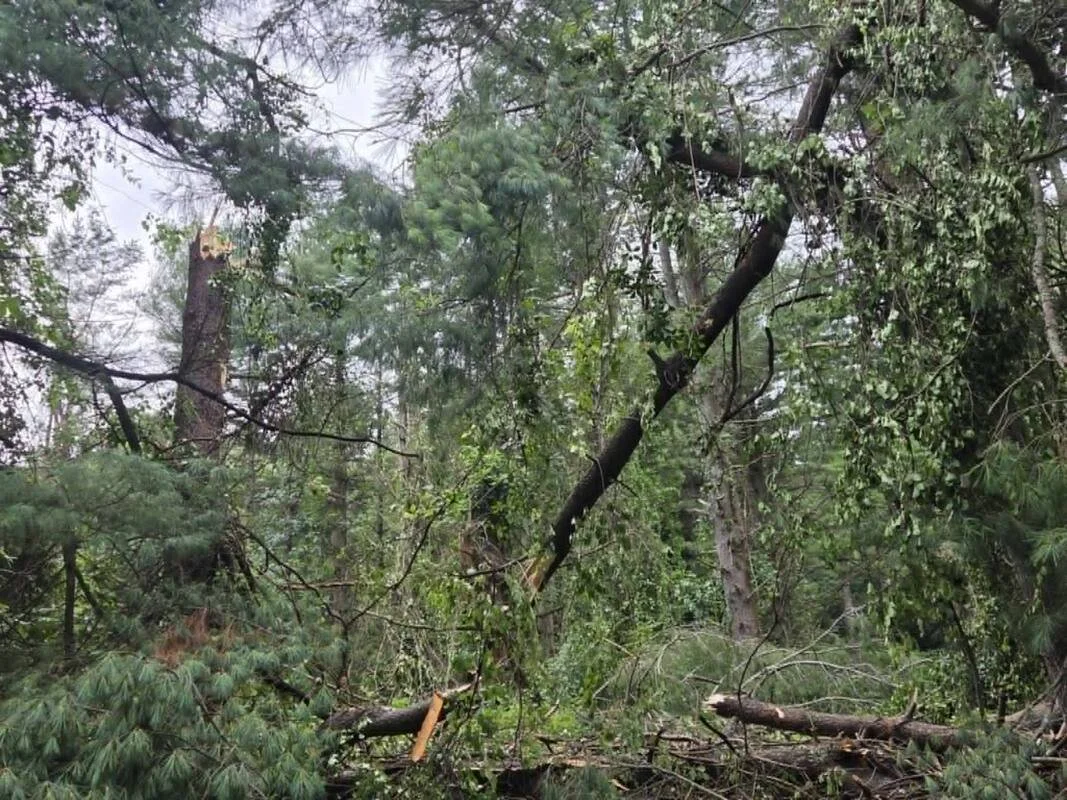
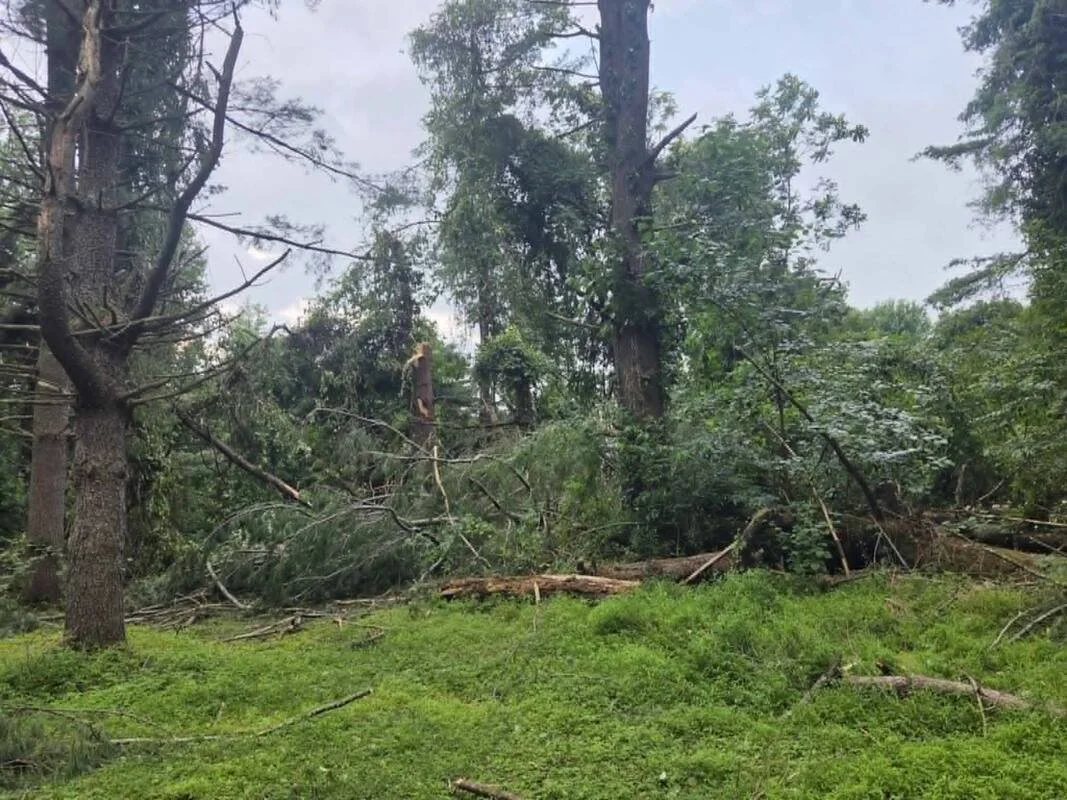
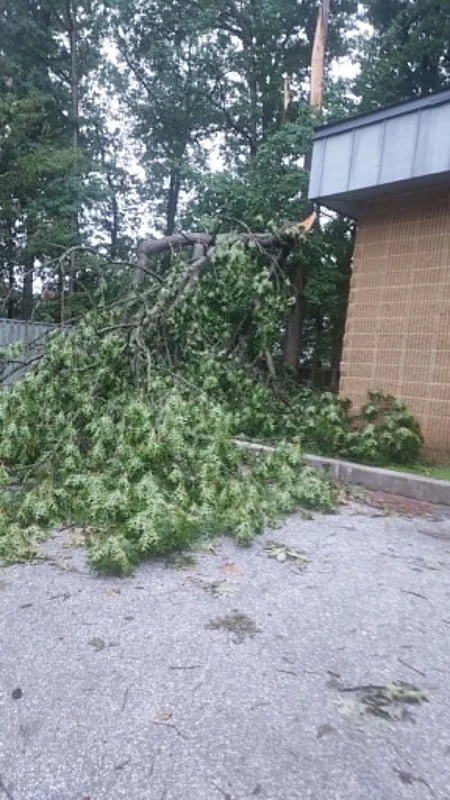
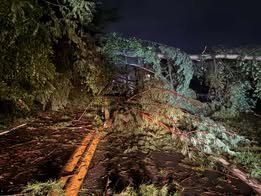
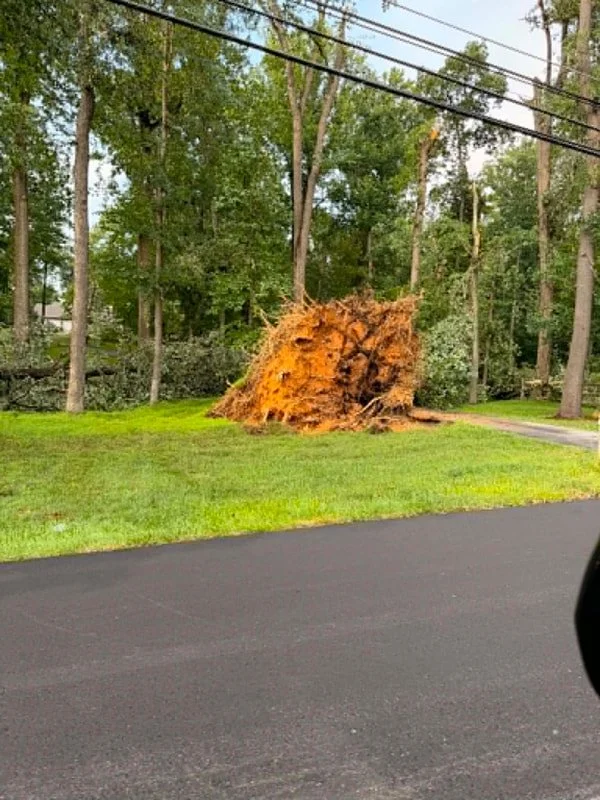
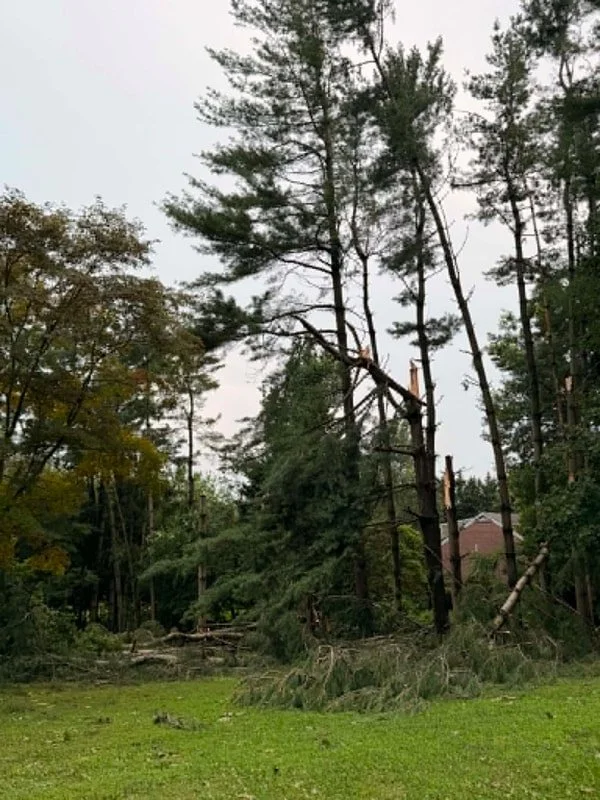
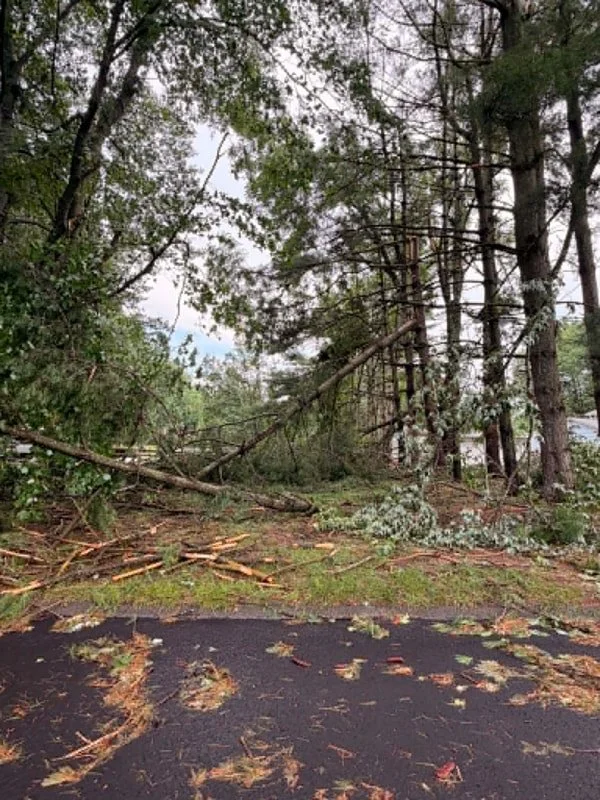
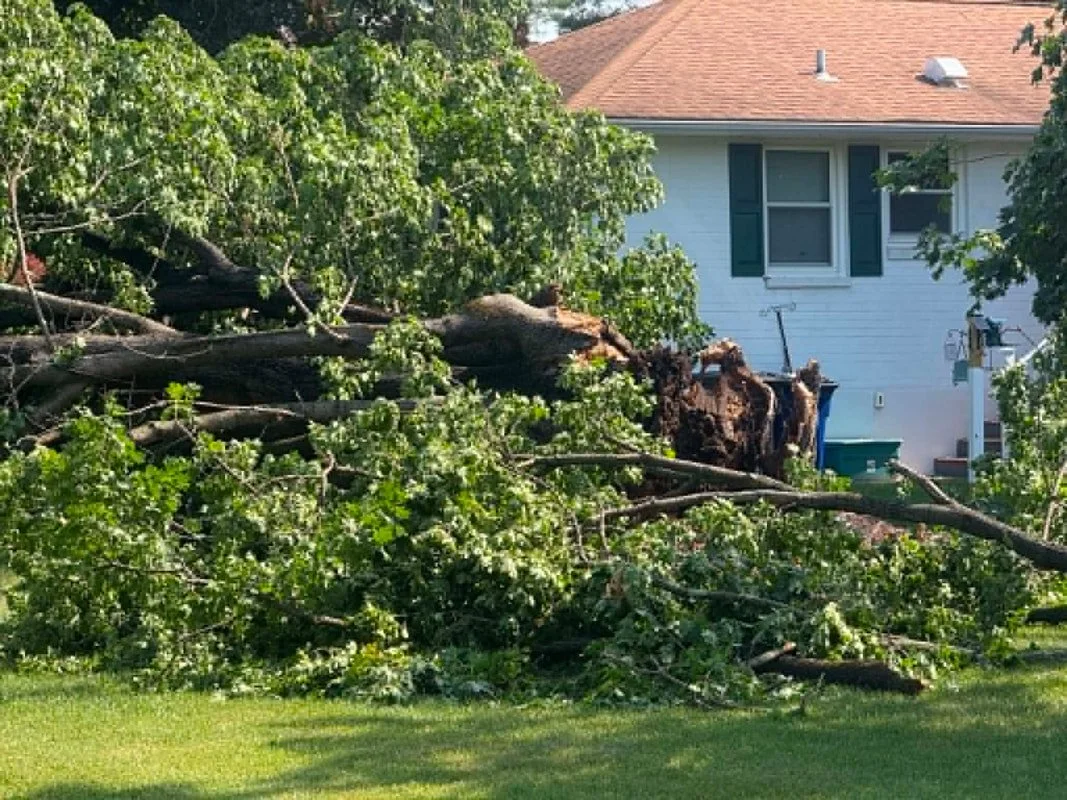
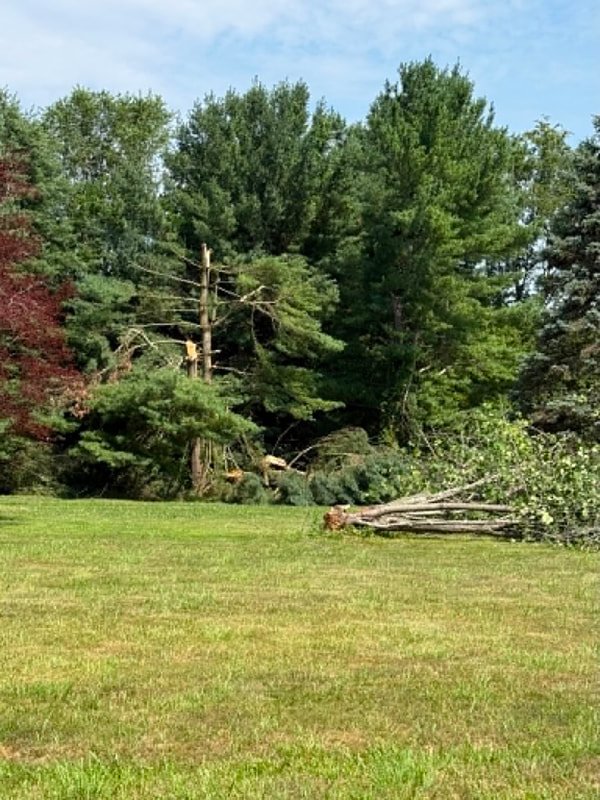
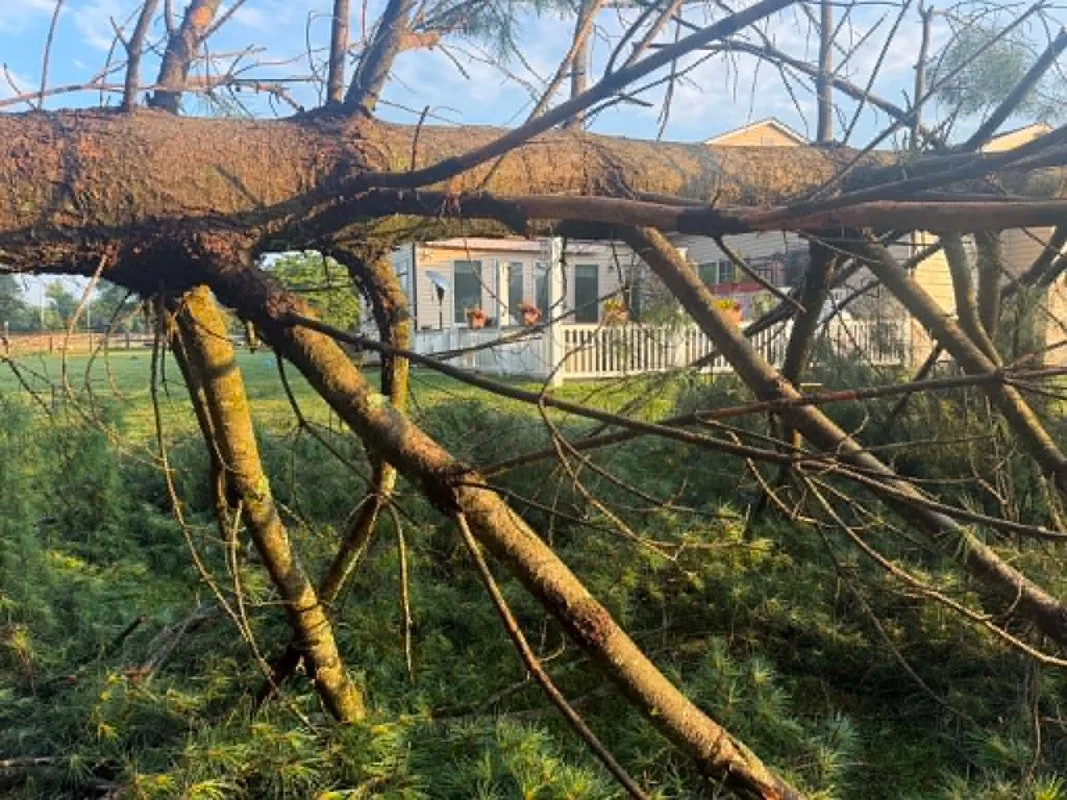
While most microbursts are not this severe (typically producing 50-70mph winds), they can on occasion produce extreme tornado like winds. Both of these microbursts produced winds between 90-110mph (most intense over the Cromwell area), snapping hundreds of trees and power lines, and leaving more than 100,000 without power. Essex, Thurmont, and Middletown also had intense microbursts with winds ranging from 65-80mph. This is why it's important to take these upper end severe thunderstorm warnings just as seriously as you would a tornado. The damage can be just as severe, and often more widespread.